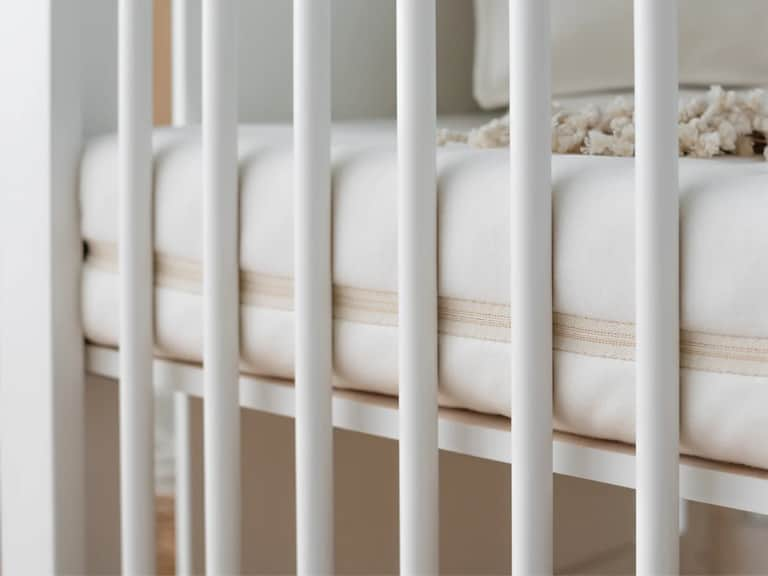
Crib mattresses are purpose-built sleeping surfaces designed to fit standard crib dimensions while prioritizing safety, support, and cleanability for infants and toddlers. They typically feature a firm, flat surface that reduces the risk of suffocation and sudden infant death syndrome (SIDS), along with materials chosen for durability and ease of sanitization. Understanding core features helps caregivers assess suitability for varying sleep needs and safety guidelines.
Common characteristics of crib mattresses include a low-profile design, a water-resistant or wipe-clean surface, and removable, washable covers. Many models emphasize chemical safety, choosing low VOC finishes andCertifications such as CertiPUR-US or GREENGUARD Gold to minimize indoor air contaminants. These attributes contribute to a healthier sleep environment for babies and infants.
Key considerations when evaluating crib mattresses involve firmness, thickness, and fire-retardant compliance. A firm, supportive surface helps maintain proper spinal alignment during rapid growth phases, while a mattress that is too soft can pose entrapment risks. Always verify crib compatibility and ensure no gaps between the mattress edge and crib interior.
Among notable options, the Obasan Organic Crib Mattress offers an organic and breathable design with natural materials that cater to sensitive skin. Features may include organic cotton covering, natural latex or coconut husk inners, and reinforced seams for longevity. Functional benefits emphasize comfort, breathability, and minimal chemical exposure for infants.
To inform bedding decisions, consider how a crib mattress interacts with related accessories such as breathable crib sheets, hypoallergenic blankets, and low-odor organic pillows aligned to age-appropriate use. While prioritizing safety and cleanliness, properties like moisture management and temperature regulation support consistent, restful naps and nighttime sleep for early development stages.
 Nursery